In a 2026 world where we are more connected than ever—thanks to AI concierges and global satellite internet—the ultimate luxury isn’t a faster connection. It’s the ability to disappear.
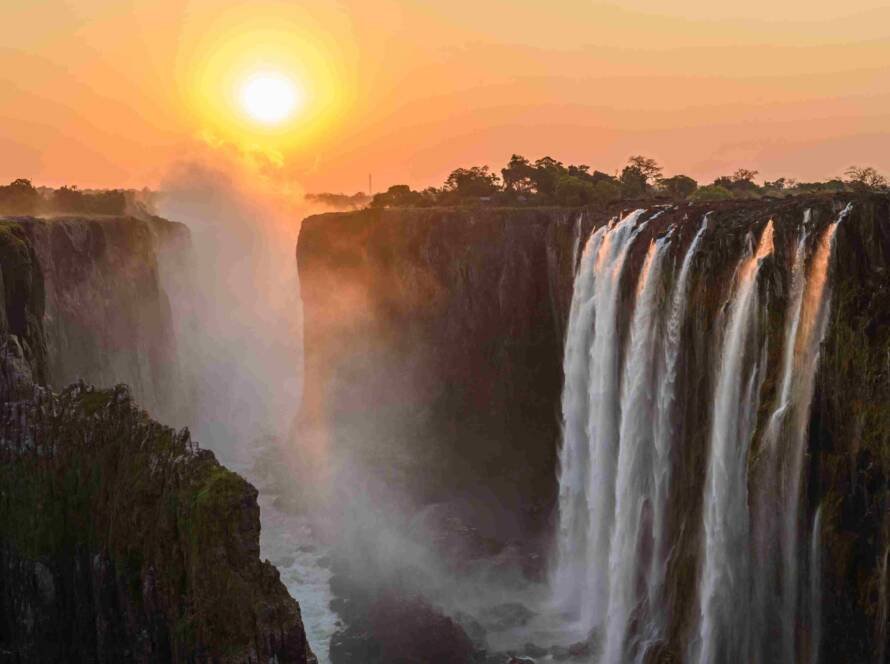
“Signal-free” travel is no longer a byproduct of poor infrastructure; it is a deliberate choice for the modern traveler. At Madou Africa Travel, we call this Hushpitality. It’s about trading the blue light of your smartphone for the golden light of a Kalahari sunset.
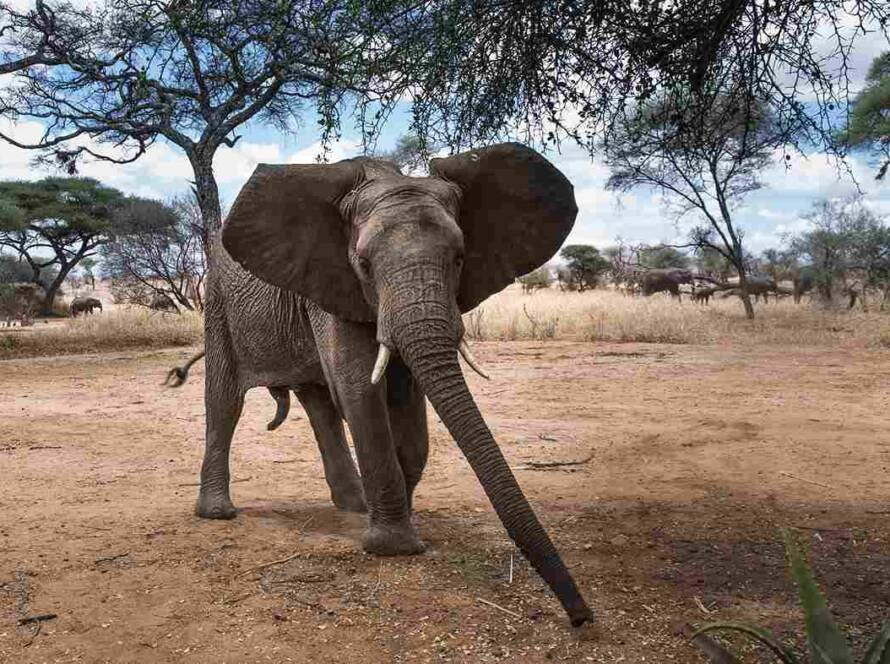
If your “Screen Time” report is giving you anxiety, here are five Southern African lodges where the only “feed” you’ll see is a herd of elephants at a watering hole.
“Signal-free” travel is no longer a byproduct of poor infrastructure; it is a deliberate choice for the modern traveler. At Madou Africa Travel, we call this Hushpitality.
Madou Africa Travel
1. Wolwedans, Namibia: Africa’s First Wilderness Quiet Park
Located in the heart of the NamibRand Nature Reserve, Wolwedans has officially embraced the “Quiet Park” movement. In 2026, it remains a sanctuary where human noise pollution is strictly prohibited.
The Experience: Guests are invited to a “Solitude Session”—a 45-minute guided experience where you are driven to a remote dune, left without your phone, and given nothing but a cushion and the desert wind.
The Unplug: There is no Wi-Fi in the tents. You are here to listen to the “whispering dunes.”
!Xaus Lodge, Kgalagadi: The End of the Map
Owned by the Khomani San and Mier communities, !Xaus (pronounced ‘caus’) is located after a 30km drive over 91 sand dunes.
The Unplug: Absolutely zero cell signal. It is one of the most remote “completely off-the-grid” experiences in the SADC region.
The Experience: Traditional storytelling by the fire and guided desert walks with San trackers. You’ll learn to read the “newspaper of the sand”—the tracks left by lions, leopards, and barking geckos during the night.
Hoanib Skeleton Coast Camp, Namibia: Modernity Meets Desolation
Perched between the Skeleton Coast and the Palmwag Concession, this camp feels like a luxury base on another planet.
- The Experience: Fly-in safaris over the shipwrecks of the Atlantic coast and tracking desert-adapted lions. The landscape is so vast and hauntingly beautiful that a phone screen feels tiny and irrelevant.
- The Unplug: While the lodge has limited satellite connectivity for emergencies, the focus is on “Nature-First” immersion.
Camp Okavango, Botswana: A Watery Wilderness
Situated on the remote Nxaragha Island, this is a “water-only” camp, meaning no game drive vehicles—only silence, water, and the sound of oars.
- The Experience: Navigating the papyrus-lined channels in a mokoro (traditional dugout canoe). Without the roar of an engine or the chime of a notification, your senses sharpen to the sound of a reed frog or the splash of a distant hippo.
- The Unplug: Connectivity is intentionally limited to encourage guests to browse the camp’s extensive wildlife library instead of social media.
Mbotyi River Lodge, Wild Coast: Barefoot Freedom
For those who prefer the ocean to the bush, the Wild Coast of South Africa offers a rugged, “barefoot” luxury that is increasingly rare.
- The Experience: Hiking to Waterfall Bluff (one of the few waterfalls in the world that falls directly into the ocean) and exploring indigenous forests.
- The Unplug: The topography of the Wild Coast makes cell signal notoriously unreliable—the perfect excuse to tell your boss you’re “unreachable.”
How to Prepare for a Digital Detox Safari
- The “Out of Office” Strategy: Set your email responder 24 hours before you leave. Tell people you are “exploring the signal-free wilderness of Africa.” It adds to the mystique!
- Bring a Journal: You’ll be surprised how many ideas come to you when you aren’t scrolling.
- Invest in a Real Camera: Don’t rely on your phone for photos; it’s too tempting to check your apps. Use a dedicated DSLR or mirrorless camera to keep the “tech” focused on the art.