For decades, the “Big 5” safari was the ultimate African checkbox. But as we move through 2026, a new generation of travelers is asking a different question: “How is my presence helping this landscape heal?”
If you are looking for a journey that offers deep personal meaning alongside world-class wildlife, look no further than Hwange National Park in Zimbabwe. As the largest park in the country, Hwange is more than just a wildlife haven; it is a global blueprint for Regenerative Travel—a place where your visit directly sustains the lifeblood of the Kalahari sands.
What is Regenerative Travel?
While sustainable travel aims to “leave no trace,” regenerative travel aims to leave it better. In Hwange, this isn’t just marketing; it is a mechanical reality. Because Hwange has no permanent natural surface water during the dry season, the wildlife depends entirely on man-made boreholes. Every bed-night at a lodge like Verney’s Camp or Somalisa directly funds the fuel and maintenance of these pumps. Without the tourists, the pumps stop; without the pumps, the elephants leave.
The Resurrection of a Living Landscape
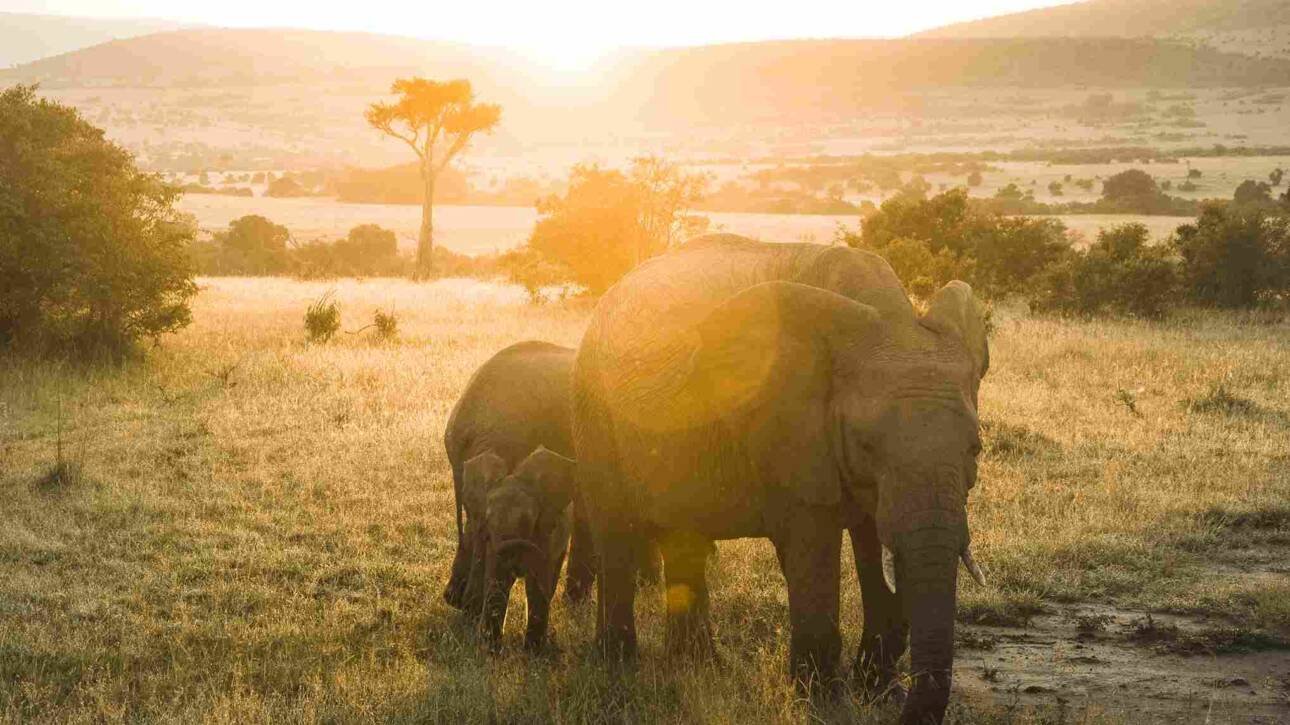
Hwange is famous for having one of the largest elephant populations on earth, but in 2026, the story is about the total ecosystem recovery.
The Painted Dog Protectorate: Hwange is a stronghold for the African Wild Dog. Through the Painted Dog Conservation center, your visit supports anti-poaching units that clear thousands of wire snares from the bush every year.
The Pump-Pathway Project: In 2026, many lodges have converted their water pumps to hybrid solar power. Guests can visit these pump stations to see how green energy is keeping thousands of animals alive during the harsh winter months.
3 Immersive “Impact” Experiences for 2026
1. The Anti-Poaching “Snare Sweep”
Join a guided walk with a conservation team to learn how to spot and remove illegal snares. It’s a sobering but deeply rewarding way to spend a morning, knowing that every wire you pull could save a lion or a zebra.
2. The Solar-Pump Safari
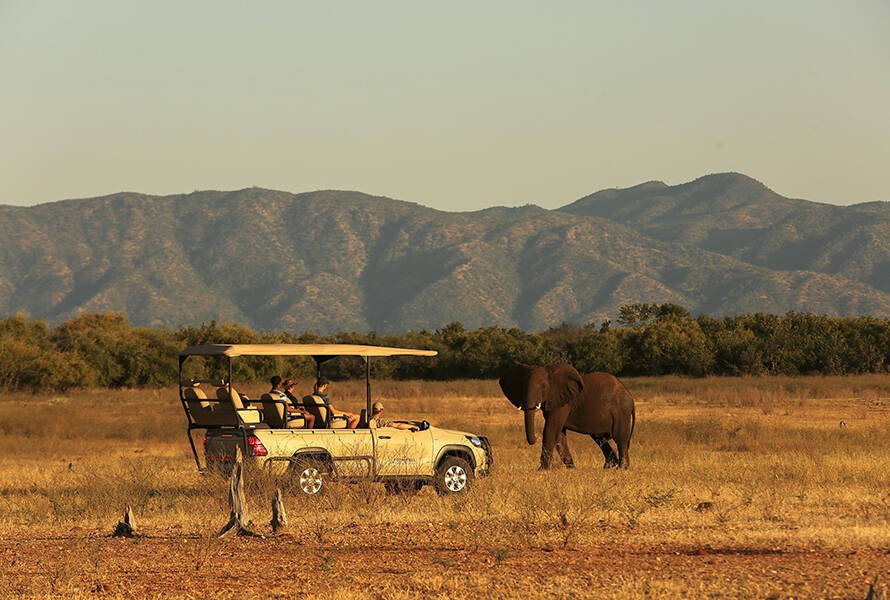
Take a “behind-the-scenes” tour of the park’s water infrastructure. Learn about the engineering required to support 40,000+ elephants in a semi-arid desert. It turns a standard game drive into a fascinating lesson in conservation technology.
3. The “Cobalt & Community” Village Visit
Visit the local communities on the park’s borders. In 2026, regenerative tourism in Hwange includes supporting local schools and “human-wildlife conflict” mitigation—like the use of chili-fences to keep elephants away from community crops.
Be part of the story. Explore our Hwange Impact Packages and see what it means to travel with purpose.
The “Safari & Smoke” Combo: The 2026 Way
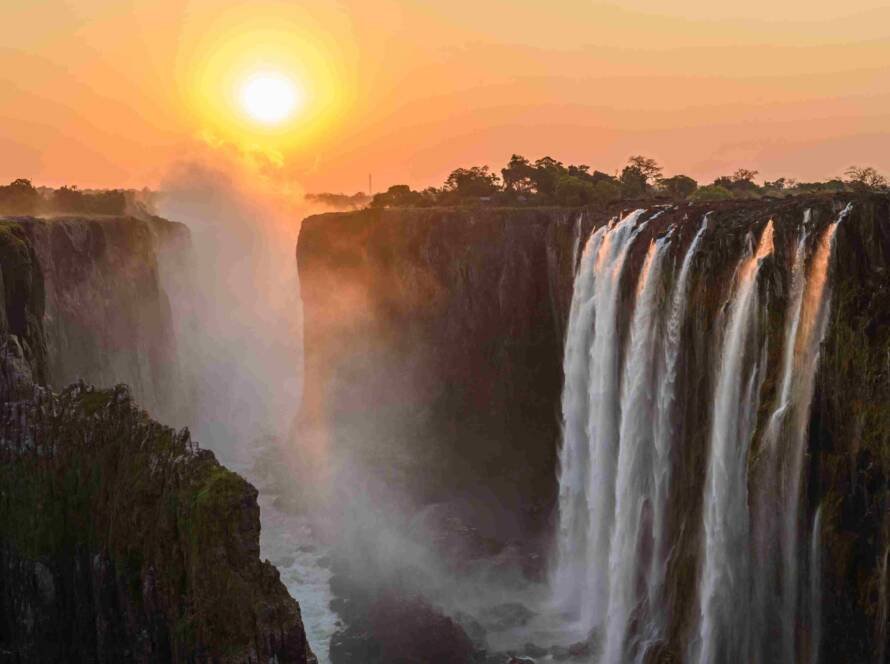
Regenerative travel doesn’t mean skipping the icons. The most popular 2026 itinerary involves a 4-night deep dive into the wilds of Hwange, followed by a short, scenic train ride or drive to Victoria Falls.
The Benefit: You support the terrestrial restoration of the Kalahari sands and the local economy of the Falls in one seamless trip.
Why Hwange Matters Now
In a world of “polycrisis” and climate anxiety, Hwange is a story of resilience. It proves that when tourism, technology, and community come together, we can sustain life in even the harshest environments. When you book this trip, you aren’t just a visitor; you are a lifeline for the giants of the bush.